Uncategorized
Mother Was Wary of Her Son’s Tattooed Doctor – But Never Imagined the Difference He Would Make in Their Lives

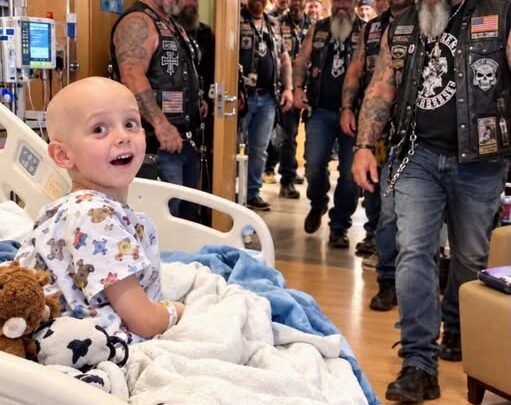
When the doctors told Bridget that her 12-year-old son, Drew, had roughly three months left, she sat beside his hospital bed and nodded as if she understood. She did not. Drew was supposed to have decades. He wanted to see the ocean, own a dog, and ride a motorcycle. She had raised him alone after his father drifted away with empty promises. Now she could not even promise him another birthday.
A few days later a new physician joined the team. Dr. Harris was enormous, shaved head, tattoos climbing both arms and onto his neck. Bridget’s mother whispered that the hospital should not have hired someone who looked like he belonged in a motorcycle club. Bridget thought the same. Then she watched how he treated her son.
Most doctors spoke to her first. Harris pulled up a chair and looked Drew in the eye. He remembered the name of the boy who had bullied him at school, the game he was playing, the arguments about whether a motorcycle could outrun a race car. On the hardest mornings he could still make Drew laugh. Bridget stood outside the room listening and felt something complicated: gratitude mixed with the sharp reminder of everything her son had missed without a father.
One afternoon she returned from the cafeteria and found them whispering. Drew claimed doctor-patient confidentiality. The next day twelve men in leather vests walked into the room carrying a helmet, a small package, and a folded leather vest. Drew’s eyes widened. Wade, a gray-bearded rider, held up a black vest embroidered with Drew’s name and the words “Honorary Brother.”
“You don’t need a motorcycle to belong,” Wade told him. “You just need people willing to stand beside you.”
They helped him put it on. The room erupted in applause. Bridget cried. Harris had cleared the visit with the hospital. If Drew felt strong enough later in the week, they would take him outside for a short ceremony with the motorcycles.
Before the men left, Drew noticed a second, older vest on a chair. It belonged to Harris. Drew asked him to put it on. The doctor refused. The cheerful atmosphere returned, but Harris barely spoke afterward.
That evening Drew ran his fingers over the embroidered letters and asked his mother if she remembered when his father had promised to take him riding. He had been six. He had believed that if he learned enough about motorcycles, his father might come back. Bridget realized she had spent years rushing to reassure him that they were fine without the man who left. She had never given him permission to miss someone who was still alive.
The following morning Wade returned with photographs and answered Bridget’s questions. Harris had once been one of their most dependable riders. His younger brother, also a biker, had died at nineteen. Harris had kept working long shifts, telling himself there would be more time. After the funeral he stopped riding. Every gathering only reminded him of the person who was missing.
Two days later the hospital approved a brief outdoor gathering. The motorcycles lined up near a quiet entrance. Drew, in his honorary vest, chose Wade’s dark blue bike. The riders gave him a club patch and posed for a photograph. Then Drew asked for the older vest.
“You told me bikers don’t leave their brothers behind,” he said to Harris. “Then why did you leave yours?”
Harris crouched beside the wheelchair. Drew told him that putting the vest back on would not make him forget his brother. After a long silence the doctor slipped his arms into the worn leather. Wade straightened the collar. The circle opened to include him.
Drew looked up at his mother with the biggest smile she had seen in months. “Mom, there’s thirteen of them now.”
Over the following weeks Drew’s strength faded. Harris kept coming. Sometimes he brought photographs from rides. Sometimes they simply sat together. The bikers sent postcards. Wade visited when Drew felt up to company. Bridget’s mother found two large men listening while Drew explained his favorite game and later admitted she had been wrong about the tattoos.
Drew lived almost three full months after the prognosis. Near the end he asked his mother to hang the vest where he could see it. One evening he asked if she would be okay. She told him the truth: she would miss him more than anything. He nodded and reminded her that she had friends now, and that Wade had said he would always be part of the club.
He died peacefully with her holding his hand.
Nothing about the loss was easier because of what Harris and the riders had done. But when the quiet became unbearable, Bridget discovered she was not as alone as she feared. Wade called regularly. The club invited her to gatherings without pressure. Harris checked in, no longer as Drew’s physician but as someone who had loved him.
Six weeks later she attended a memorial ride organized in Drew’s honor. The motorcycles lined up under a clear sky. Harris stood among them wearing his old vest. Bridget carried Drew’s smaller one. Wade showed her a photograph mounted in their meeting room: Drew on the day of the ceremony, grinning between Harris and the other riders. Under it were the words “Our Brother, Always.”
For years Bridget had worried that she could not give her son everything he needed. She had been so afraid of failing him that she forgot love was never something one person had to provide alone. The tattooed doctor she once wanted to avoid had given her boy a family of men who kept their promises. And her dying son had helped that doctor find his way back to the people he had lost touch with.
As the engines started, Harris stepped beside her. “Ready?”
She looked at the vest folded in her arms, then at the riders waiting. “Yeah,” she said. “I think Drew would want us to go.”