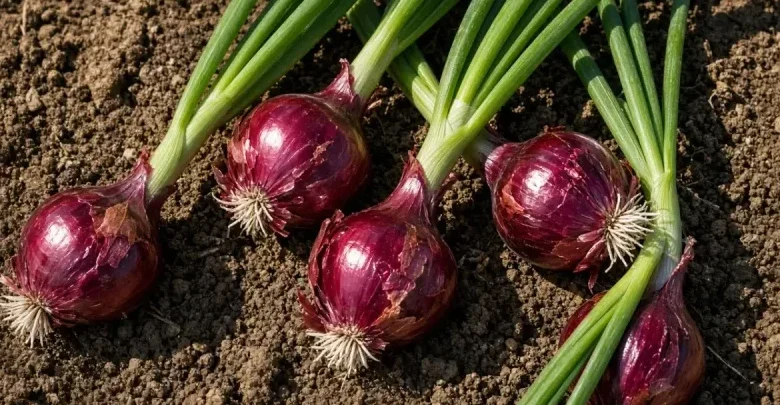
Green onions, scallions, spring onions, and chives sit in the same part of the grocery store and can look like variations on one theme. They are all part of the onion family, they all bring a fresh allium flavor, and they are not all the same ingredient. Learning the differences will do more for your cooking than any claim that eating onions every day is a special treatment. The “benefit” that actually shows up in the kitchen is choosing the right stalk for the dish.
This is a cooking guide, not a medical plan. Onions and their milder cousins can be a tasty, ordinary part of meals. They are not a cure, and eating them daily is not a requirement for good health. If you have questions about diet, allergies, or a condition that affects what you can eat, talk with a clinician who knows your history.

Green Onions and Scallions Are Generally the Same Thing
Despite the two names, green onions and scallions are, in most kitchens and markets, the same ingredient. They have long, hollow green leaves and a slender white base with little or no developed bulb.
Compared with a mature storage onion, the flavor is mild, fresh, and only gently sweet. The white end tastes sharper. The green tops are softer and more delicate.

You can use the whole stalk. Slice the whites into a soup, a stir-fry, or a pan of fried rice at the beginning or middle of cooking, and save some of the greens to sprinkle on at the end. They belong in salads, noodle bowls, omelets, and almost any dish that needs a fresh onion note without the punch of a chopped yellow onion. That range is why scallions are such a handy staple.

Spring Onions Have a Small, Rounded Bulb
Spring onions can look like scallions until you check the base. They have been left in the ground long enough to form a small, rounded bulb.
Because they are a bit more mature, they usually taste fuller and sweeter than ordinary scallions, while still staying milder than a fully grown storage onion. The bulbs are especially good when roasted, grilled, or sautéed. The green tops can be eaten too.

Use them in roasted vegetable trays, grilled plates, stir-fries, and dishes from Mediterranean and many Asian cooking traditions where a tender onion bulb is welcome. If a recipe calls for scallions and you only have spring onions, you can often substitute, then use a little less if the flavor is stronger than you expected.
Chives Are a Delicate Finishing Herb
Chives are a separate herb in the onion family, not a younger onion. They grow as very thin, hollow, grass-like green leaves and do not have a noticeable cooking bulb.
The flavor is mild and fresh, closer to a gentle onion hint than to a raw slice of onion. Garlic chives are a related variation with a soft garlic-like taste.

Add them at the end. Scrambled eggs, baked potatoes, soups, creamy dips, and salads all take well to a shower of snipped chives. Long cooking dulls that delicate flavor, so they are a poor stand-in when a recipe needs scallions to hold up in a hot pan.

A Quick Comparison
- Green onions: long green leaves, slim white base, mild and fresh, good raw or cooked.
- Scallions: the same ingredient as green onions in most stores, used the same way.
- Spring onions: green leaves plus a visible rounded bulb, fuller and sweeter, excellent for roasting, grilling, and sautéing.
- Chives: very thin grass-like leaves, very mild, best as a fresh garnish.
Can you substitute one for another? Often, yes, with adjustments. Scallions and green onions can be used interchangeably because they refer to the same thing. Spring onions can replace scallions when you want a slightly stronger onion flavor; taste as you go. Chives can replace chopped green onion tops as a garnish, but they are less suitable when the recipe depends on a sturdier stalk and some cooking time.
What About Eating Onions Every Day?
Headlines sometimes promise surprising health benefits from a daily onion habit. This article is not going to invent those promises. Onions, scallions, and chives are flavorful vegetables and herbs. Like other vegetables, they can contribute fiber and everyday nutrients as part of a mixed diet. Their sharp, savory taste can also help you enjoy food with less added salt, which is a practical cooking advantage, not a medical claim.
There is no need to force a raw onion into every meal.
If you like them, use the type that fits the recipe. If onions bother your stomach, or if you have been told to limit them, follow the advice you have already been given. Food sensitivities are individual, and no viral list can replace that.
For everyday cooking, scallions are usually the most flexible choice. For roasting or grilling, spring onions give you a sweet, tender bulb and useful greens in one ingredient. When you want a light finish that will not overpower a dish, reach for chives. The next time you are standing in front of those familiar green stalks, a second look at the base and the leaf shape will tell you more than the sign above the bin.
One more reason to look at the vegetable itself, not only the name on the sign: the words change from place to place.
In some stores, especially in parts of the United Kingdom and elsewhere, “spring onion” is used for the slim, barely bulbous stalks that American recipes usually call scallions or green onions. If you shop from a written recipe from another country, trust the description. No rounded bulb and a long, mild white-and-green stalk usually means you want the scallion type. A clear little bulb usually means you have the stronger, sweeter vegetable described earlier as a spring onion.
Prep is simple. Trim the root tuft, rinse away grit around the leaves, and dry the stalks so they do not water down a salad. Cut the whites into coins or thin slivers when you want them to soften in a pan. Slice the greens on a slight angle if you are using them as a garnish. For chives, a quick snip with scissors is often easier than a knife.
If a bunch is more than you can use in a few days, chop and freeze the leftovers for cooked dishes, knowing the texture will be softer once thawed. Fresh is still best for a garnish.
Frequently Asked Questions
Are green onions just baby onions?
They are harvested young, with little or no bulb. They are sold and used as their own ingredient. Spring onions are the ones that have started to form a small bulb.
Can I cook the green tops?
Yes, especially on scallions and spring onions. They can wilt in a pan. For the freshest color and flavor, add some at the end as well.
How should I store them?
Keep them dry, loosely wrapped or standing in a little water in the refrigerator, and use them while the greens still look lively. Discard any that are slimy or badly wilted.
Is it better to eat onions raw or cooked?
Both ways are normal in home cooking. Raw scallions and chives are sharper and brighter. Cooking softens the flavor, especially in spring onion bulbs. Choose by taste and by the dish, not by a health slogan.
Thank you for shopping the produce aisle with us for a few minutes. This is general cooking information, not medical or nutrition advice, and your own clinician is the right person to ask before you change your diet for health reasons.